13 Jun 2025
Medical Weight Loss Explained: How Weight-Loss Medicines Work, Who They're For and the Risks

Written by Dr Alexa Balan, GDC-registered dentist (GDC no. 293266)
Published · Updated
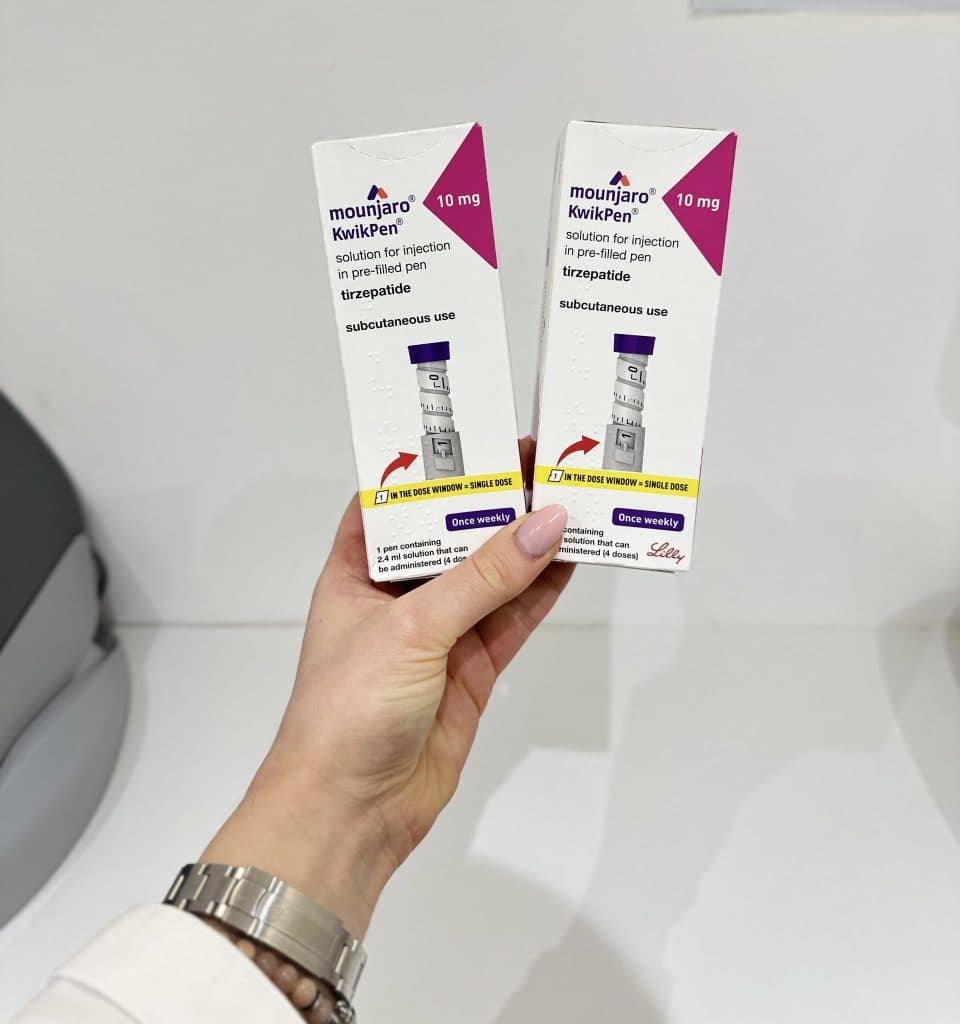
How medically supervised weight loss works, how GLP-1 based weight-loss medicines work, who is eligible, results, side effects and safety.
Key takeaways
- It's a medical treatment, not a quick fix. Medicines work alongside diet, activity and ongoing support.
- There are eligibility criteria, based on BMI and weight-related health conditions.
- Side effects are common, especially early on, and a few are serious.
- Not everyone is suitable, including during pregnancy and with some medical histories.
- Ongoing review matters, to monitor progress, side effects and when to stop.
This article is general information, not personal medical advice. Results vary from person to person and are not guaranteed.
About Dr Alexa Clinic and who wrote this guide
Dr Alexa Clinic is a doctor-led, CQC-registered clinic at 44 South Molton Street, Mayfair (CQC location ID: 1-20415669683). Any prescription treatment is only provided after a full assessment by an appropriately qualified prescriber.
This guide was written by Dr Alexa Balan, a GDC-registered dentist (GDC no. 293266) and founder of the clinic.
How do weight-loss medicines work?
The main weight-loss medicines copy hormones that the gut releases after eating:
- GLP-1 medicines act like GLP-1, a hormone that reduces appetite and slows the emptying of the stomach.
- Dual GIP/GLP-1 medicines act like both GLP-1 and GIP, two hormones involved in appetite and blood sugar control.
Together, these effects mean people tend to feel less hungry, feel full sooner and eat less. They're given as a once-weekly injection that you learn to do yourself, starting at a low dose that's increased gradually to reduce side effects.
Who are they for?
In the UK, these medicines are licensed for weight management in adults with:
- a BMI of 30 or more, or
- a BMI of 27 or more plus at least one weight-related health condition, such as type 2 diabetes, high blood pressure or sleep apnoea,
used alongside a reduced-calorie diet and increased physical activity. On the NHS, access follows NICE guidance, which sets additional criteria. Private prescribing still requires a proper assessment of eligibility and safety.
What results can you expect?
| GLP-1 medicine | Dual GIP/GLP-1 medicine | |
|---|---|---|
| How it works | Acts like GLP-1 | Acts like GLP-1 and GIP |
| How it's taken | Once-weekly injection | Once-weekly injection |
| Average weight loss in major trials | Around 15% of body weight over about 68 weeks | Up to around 20% at the highest dose over 72 weeks |
Trial results are averages under trial conditions, with lifestyle support, and aren't a prediction of your individual result. Some people lose much less.
Research also shows that many people regain weight after stopping treatment, which is why building lasting habits, and planning how and when to stop, is part of good care.
Who should not take them?
These medicines may not be suitable if you:
- are pregnant, trying to get pregnant or breastfeeding;
- have a personal or family history of medullary thyroid cancer or MEN2;
- have had pancreatitis;
- have certain eye problems related to diabetes, severe digestive conditions or a history of eating disorders;
- take certain other medicines. Some of these medicines can make oral contraceptives less effective, so extra contraception may be needed;
- are under 18. We do not treat anyone under 18.
A full medical history, current medicines and, where appropriate, measurements and blood tests are part of the assessment.
Side effects
| How common | Side effects |
|---|---|
| Very common | Nausea, diarrhoea, constipation, vomiting, indigestion, especially when starting or increasing the dose |
| Common | Tiredness, dizziness, reduced appetite, injection-site reactions, hair thinning with rapid weight loss |
| Uncommon but serious | Pancreatitis (severe, persistent stomach pain), gallbladder problems, dehydration affecting the kidneys |
Seek urgent medical help if you have severe, persistent stomach pain, with or without vomiting.
Buying weight-loss medicines without a proper prescription and assessment, for example from unregulated online sellers or social media, carries real risks, including fake products. The MHRA advises only obtaining them from a registered pharmacy with a valid prescription.
What does medically supervised weight management involve?
- Consultation: your goals, weight history, diet, activity, medical history and current medicines.
- Eligibility and safety checks: BMI, health conditions and anything that would make treatment unsafe.
- A tailored plan: whether medicine is appropriate at all, alongside nutrition and activity guidance.
- Starting gradually: a low starting dose, increased step by step, with advice on managing side effects.
- Regular reviews: progress, side effects, dose and a plan for maintenance or stopping.
Price at Dr Alexa Clinic
The weight management programme starts from £160 a month, depending on the treatment that's clinically appropriate for you, with regular reviews. Your plan and cost are confirmed at consultation, and medicine is only prescribed if it's suitable and safe.
Frequently asked questions
What is medical weight loss?
It's weight loss supported by a prescription medicine, alongside diet and activity changes, under clinical supervision with regular reviews.
How do weight-loss injections work?
They copy gut hormones such as GLP-1 (and, for some medicines, GIP), which reduce appetite and help you feel full sooner, so you eat less.
Who is eligible for weight-loss medicines?
In the UK they're licensed for adults with a BMI of 30 or more, or 27 or more with a weight-related health condition, used alongside diet and activity changes. A prescriber must also check that treatment is safe for you.
How much weight can I lose?
In major trials, average weight loss ranged from around 15% (GLP-1 medicine) to up to around 20% (dual GIP/GLP-1 medicine at the highest dose) of body weight over more than a year. Results vary widely, and some people lose much less.
What are the most common side effects?
Nausea, diarrhoea, constipation and vomiting, especially when starting or increasing the dose. These often ease over time.
What happens when I stop?
Many people regain some weight after stopping, especially without lasting changes to diet and activity. Planning for this is part of treatment.
Can I take weight-loss injections while on the pill?
Some weight-loss medicines can make oral contraceptives less effective, so additional or alternative contraception may be needed. Your prescriber will advise you.
Is it safe to buy weight-loss injections online?
Only from a registered pharmacy with a valid prescription after a proper assessment. Products sold without a prescription may be fake or unsafe.
Where can I get advice on medical weight loss in Mayfair?
At Dr Alexa Clinic, 44 South Molton Street, Mayfair, London W1K 5RT, a doctor-led, CQC-registered clinic a few minutes' walk from Bond Street station. Call 020 7846 6403.
Related Treatments
Talk it through at a consultation
Wondering whether medical weight management is appropriate for you? Start with a confidential consultation. We'll check your eligibility and medical history, explain the options and their risks honestly, and tell you if another route, such as your GP, would suit you better.
Dr Alexa Clinic, 44 South Molton Street, Mayfair, London W1K 5RT. CQC-registered (location ID 1-20415669683). Dr Alexa Balan is a GDC-registered dentist (GDC no. 293266). Weight-loss medicines are prescription-only and are only prescribed after a full assessment, if clinically appropriate. Results vary and are not guaranteed. For adults aged 18 and over only.
Sources
- NICE. Technology appraisal guidance on medicines for managing overweight and obesity (TA875, TA1026).
- Phase 3 clinical trials of once-weekly GLP-1 and dual GIP/GLP-1 medicines in adults with obesity (STEP 1, 2021; SURMOUNT-1, 2022). New England Journal of Medicine.
- MHRA. Safety advice on GLP-1 and dual GIP/GLP-1 receptor agonists, including contraception and buying medicines safely.